
Transform Your Mood Through Nutrition
Discover how the right nutrients can unlock your emotional wellbeing. At Foodmoodscience, we explore the fascinating science connecting what you eat with how you feel, offering evidence-based insights to help you understand and optimise your nutritional choices for better mental clarity and emotional balance.

Visual Guide to Mood-Boosting Foods
Explore the incredible variety of nutrient-dense foods that support emotional wellbeing. Each image showcases ingredients backed by nutritional science.

Berries & Antioxidants
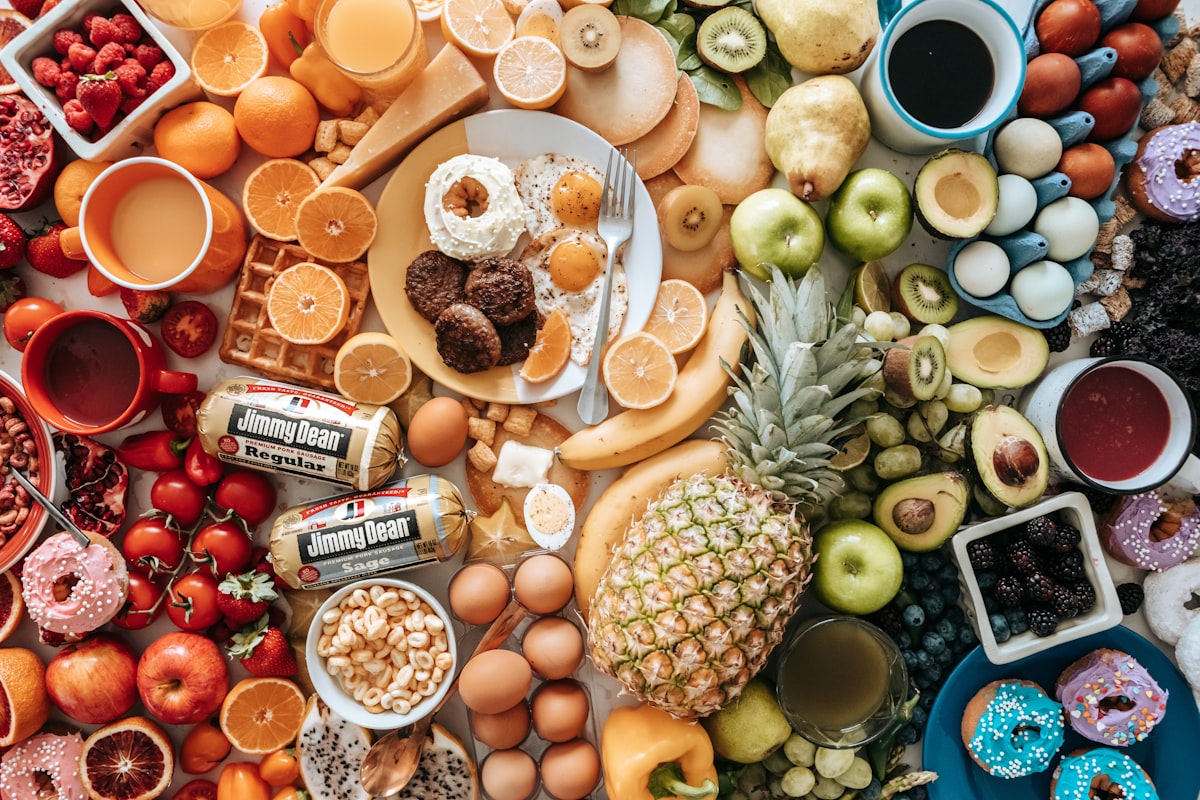
Blueberries, raspberries, and blackberries contain powerful antioxidants that support brain health and emotional stability.
Omega-3 Rich Fish
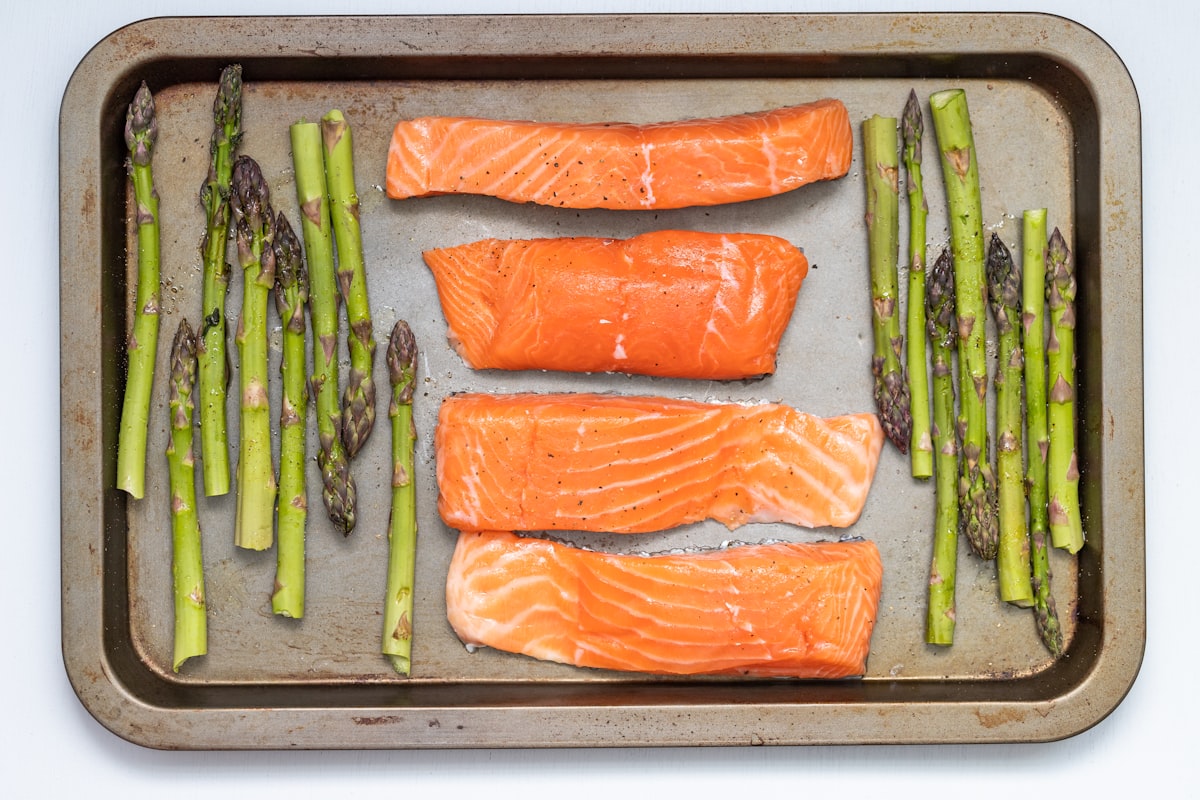
Salmon, mackerel, and sardines are excellent sources of omega-3 fatty acids essential for neurotransmitter function.
Leafy Greens
Spinach, kale, and lettuce provide folate and magnesium, crucial minerals for mood regulation and mental focus.
How Nutrients Work for Your Mental Health
Understanding the biological pathways that connect nutrition to emotional wellbeing helps you make informed dietary choices.
Neurotransmitter Production
Amino acids and B vitamins are fundamental building blocks for neurotransmitters like serotonin and dopamine. Without adequate nutritional support, your brain cannot manufacture the chemical messengers responsible for mood regulation and emotional resilience.
- Tryptophan and serotonin synthesis
- Tyrosine and dopamine pathways
- B6 and neurotransmitter metabolism
Blood Sugar & Energy Balance
Stable blood sugar is foundational for emotional equilibrium. Nutrient-dense foods with balanced macronutrients provide sustained energy, preventing the mood crashes and anxiety spikes that come from blood sugar volatility and nutritional deficiencies.
- Complex carbohydrates for stable glucose
- Chromium and glucose metabolism
- Protein for sustained satiety
Antioxidant Defence
Oxidative stress damages brain cells and impairs mood-regulating neurotransmitter pathways. Antioxidant-rich foods protect neural tissue and support the brain's natural defence systems against cellular damage and cognitive decline.
- Polyphenols and neuroprotection
- Vitamins C and E for cellular repair
- Selenium and glutathione synthesis
Gut-Brain Axis Support
Emerging research reveals that gut microbiota produce neurotransmitters and influence brain function. Nutrient-rich foods support a diverse, thriving microbial community that directly affects mood, stress resilience, and emotional regulation.
- Prebiotics and beneficial bacteria growth
- Short-chain fatty acids production
- Intestinal barrier integrity
Real Stories of Transformation
Discover how readers have discovered the mood-enhancing power of informed nutritional choices through our content and research.
"Reading Foodmoodscience articles completely changed how I understand food and emotions. Once I learned about serotonin production and tryptophan-rich foods, I started incorporating more salmon and seeds into my diet. Within weeks, I noticed my anxiety levels dropping and my overall mood improving. The science-backed explanations make it so much easier to stay motivated with dietary changes."
Sarah Anderson
Manchester, UK
"I was sceptical at first about whether nutrition could really affect my emotional state, but the articles here are so detailed and well-researched. The explanations about omega-3s and brain health made it click for me. I've been following the suggestions about including more leafy greens and fatty fish, and I genuinely feel more stable and positive throughout the day. Brilliant educational resource."
Michael Johnson
London, UK
"As someone dealing with seasonal mood changes, I found the articles about vitamin D and magnesium particularly helpful. The content is accessible but scientifically rigorous, explaining complex biochemical processes in a way I could actually understand. I've made several dietary adjustments based on what I've learned, and my energy and mood consistency have improved noticeably. Highly recommend to anyone interested in the food-mood connection."
Emma Richardson
Edinburgh, UK
Essential Nutrients for Mood Enhancement
Learn about the key micronutrients and macronutrients scientifically linked to emotional wellbeing and mental clarity.
Omega-3 Fatty Acids
These polyunsaturated fats are structural components of brain cell membranes and play vital roles in neurotransmitter signalling and anti-inflammatory processes throughout the central nervous system.
Found in: Salmon, mackerel, sardines, walnuts, flaxseeds, chia seeds
B Vitamins Complex
B vitamins are essential cofactors in neurotransmitter synthesis, energy metabolism, and homocysteine regulation—all critical factors influencing mood stability and cognitive function throughout the day.
Found in: Whole grains, legumes, eggs, leafy greens, nutritional yeast
Magnesium
This mineral modulates neurotransmitter release, supports nervous system regulation, and plays crucial roles in stress response and relaxation. Deficiency is associated with anxiety and mood dysregulation.
Found in: Pumpkin seeds, almonds, spinach, dark chocolate, whole grains
Vitamin D
This fat-soluble nutrient regulates serotonin production, modulates immune function, and influences mood seasonally. Adequate levels support emotional resilience and stable emotional regulation year-round.
Found in: Fatty fish, egg yolks, mushrooms, fortified dairy, sunlight exposure
Amino Acids
The building blocks of neurotransmitters, amino acids like tryptophan, tyrosine, and GABA precursors are fundamental to mood synthesis. Complete protein intake ensures adequate neurotransmitter production.
Found in: Poultry, fish, eggs, legumes, dairy, nuts, seeds
Antioxidants
Polyphenols, flavonoids, and other plant compounds protect brain cells from oxidative stress, support mitochondrial function, and preserve the neuroplasticity needed for mood resilience and cognitive vitality.
Found in: Berries, dark chocolate, green tea, red wine, colourful vegetables
Your Journey to Better Mood in 4 Steps
A practical framework for understanding and improving your mood through nutritional science-backed guidance.
Assess Your Current Diet
Begin by reviewing what you currently eat and drink. Track your mood patterns alongside meals to identify correlations between specific foods and your emotional state. This awareness forms the foundation for informed dietary adjustments.
Learn the Science
Deepen your understanding of how specific nutrients influence brain chemistry, neurotransmitter production, and mood regulation. Our articles explain the mechanisms clearly, empowering you to make choices aligned with the science.
Make Gradual Changes
Implement dietary improvements gradually rather than drastically. Introduce mood-supporting foods incrementally, establishing sustainable habits. Small, consistent changes create lasting transformation without overwhelm.
Monitor & Reflect
Continue tracking how you feel as you incorporate new nutritional patterns. Notice shifts in energy, emotional stability, and mental clarity. This ongoing reflection helps you refine your personal approach to mood-supporting nutrition.
The Science Behind Nutrition and Happiness
Key insights from nutritional neuroscience that explain the profound connection between what you eat and how you feel.
of serotonin is produced in the gut
The gut microbiota and intestinal lining play central roles in neurotransmitter synthesis and emotional regulation through the gut-brain axis communication system.
amino acids are needed for mood
Complete protein sources containing all essential amino acids are required for optimal neurotransmitter synthesis and emotional stability throughout daily life.
time for nutrient absorption
Nutrients from food begin affecting brain chemistry within minutes of consumption, influencing mood, focus, and emotional response in real time through biochemical pathways.
Questions About Mood-Boosting Foods
Find clear, evidence-based answers to common questions about nutrition and emotional wellbeing.